Article Plan: New Air Portable Air Conditioner Manual
This manual details setup, operation, and maintenance for your new portable AC unit․ It covers unboxing, safety, installation, controls, troubleshooting, and warranty details, ensuring optimal performance․
Portable air conditioners offer a convenient cooling solution without the need for permanent installation․ Unlike traditional window units or central air systems, these self-contained units can be easily moved from room to room, providing targeted cooling where and when you need it most․ This flexibility makes them ideal for renters, those with limited space, or anyone wanting to cool specific areas of their home․
Modern portable ACs often incorporate multiple functions beyond just cooling․ Many models include dehumidifying modes to reduce moisture in the air, fan-only settings for simple air circulation, and even automatic modes that intelligently adjust settings based on room temperature․ The PortableApps․com Platform exemplifies this versatility, offering a portable software system – much like a portable AC offers portable cooling․
These units typically vent hot air outside through a window using an included kit․ Proper ventilation is crucial for efficient operation․ Understanding the different types of window kits and ensuring a secure connection for the exhaust hose are key aspects of successful installation․ As with any appliance, prioritizing safety and following the manufacturer’s instructions are paramount for optimal performance and longevity․ This manual will guide you through each step, ensuring a comfortable and efficient cooling experience;
Unboxing and Component Checklist
Carefully unpack your new portable air conditioner and verify all components are present․ This initial step is crucial to ensure a smooth setup process and avoid potential issues later․ Refer to the included parts list – typically found within the packaging or in a separate document – to confirm everything is accounted for․
Essential components generally include the air conditioner unit itself, a window kit (designed to fit various window types), an exhaust hose for venting hot air, a remote control for convenient operation, and potentially a drain hose or cap for water drainage․ Some models may also include additional accessories like foam seals for the window kit or caster wheels for easy mobility․
Treat the unboxing process as an opportunity for a preliminary inspection․ Like ensuring software is free of bundleware, as PortableApps․com guarantees, check for any visible signs of damage incurred during shipping․ Note any dents, scratches, or missing parts immediately․ Retain all packaging materials until you’ve confirmed the unit is functioning correctly․ A thorough component check now will save potential headaches down the line․
Identifying All Parts
Before proceeding, familiarize yourself with each component of your portable air conditioner․ The unit itself houses the cooling mechanism, fan, and control panel․ The window kit, crucial for efficient operation, typically consists of adjustable panels to fit your window’s dimensions, ensuring a secure seal․ The exhaust hose connects the unit to the window kit, expelling hot air outdoors – similar to how PortableApps;com keeps apps separate from your system․
Locate the remote control, noting the button layout for power, mode selection, fan speed, and temperature adjustment․ Identify the drain hose or cap; this is used for managing condensation․ Some units feature caster wheels for portability, while others include foam seals to enhance the window kit’s airtightness․
Refer to the detailed parts diagram in this manual․ This diagram visually represents each component, labeling them clearly․ Understanding the function of each part – much like knowing what’s released and coming up next on PortableApps․com – is vital for correct assembly and operation․ Confirm you have all listed items before moving forward, and note their specific names as referenced in this manual․
Checking for Damage During Shipping
Upon receiving your new portable air conditioner, thoroughly inspect it for any signs of damage incurred during transit․ Carefully examine the exterior of the packaging for dents, tears, or punctures․ If the outer box appears compromised, document the damage with photographs before opening it – this is crucial for potential claims․
Once opened, inspect the unit itself․ Look for scratches, cracks, or dents on the casing․ Check all components – the window kit panels, exhaust hose, remote control, and drain hose – for similar damage․ Ensure all parts listed in the ‘Identifying All Parts’ section are present and undamaged․ Like ensuring PortableApps․com apps are free of malware, a pristine condition is essential․
Pay close attention to the fins on the rear of the unit, as these are delicate and easily bent․ Verify the power cord is intact and free from cuts or fraying․ If any damage is discovered, immediately contact the retailer or manufacturer․ Do not attempt to operate a damaged unit, as this could pose a safety hazard or void your warranty․ Retain all packaging materials until the inspection is complete․
Safety Precautions
Prior to operating your portable air conditioner, carefully review these essential safety precautions to prevent injury or damage․ Always ensure the unit is plugged into a grounded outlet with the correct voltage, avoiding extension cords whenever possible – mirroring the secure nature of PortableApps․com’s platform․
Never operate the AC with a damaged power cord or plug․ If the cord is damaged, it must be replaced by a qualified technician․ Avoid running the unit in excessively humid or dusty environments, and keep it away from flammable materials․ Do not insert any objects through the vents, as this could cause electrical shock or damage the internal components․
This appliance is not intended for use by persons (including children) with reduced physical, sensory, or mental capabilities, or lack of experience and knowledge, unless they have been given supervision or instruction concerning use of the appliance by a person responsible for their safety․ Always disconnect the unit from the power source before cleaning or performing maintenance․ Ensure proper ventilation and avoid blocking the air intake or exhaust vents․
Electrical Safety Guidelines
To ensure safe operation and prevent electrical hazards, adhere to these guidelines․ Always verify the power supply matches the unit’s specifications – typically 115V/60Hz․ Never use an adapter plug or extension cord, as they can overheat and create a fire risk, similar to the potential issues with unverified software sources․
Inspect the power cord regularly for damage․ If the cord is frayed, cracked, or shows any signs of wear, immediately discontinue use and contact a qualified technician for replacement․ Avoid plugging the air conditioner into the same circuit as other high-wattage appliances to prevent overloading․ Ensure the outlet is properly grounded to minimize the risk of electric shock․
Do not operate the unit in wet or damp locations, such as bathrooms or near water sources․ Never touch the power cord or plug with wet hands․ If the unit experiences a power surge or outage, unplug it immediately and allow it to stabilize before restarting․ Like PortableApps․com’s focus on secure software, prioritize electrical safety to protect your home and yourself․
General Usage Warnings

Prioritize safety during operation with these crucial warnings; Never insert objects through the air vents, as this could damage the internal components and create a safety hazard․ Keep the air conditioner away from flammable materials, such as curtains, furniture, and aerosols, to prevent fire risks․
Ensure adequate ventilation in the room, even when using the air conditioner․ Do not direct the airflow directly onto people, especially for extended periods, as it may cause discomfort․ Regularly check the water tank (if applicable) and empty it when full to prevent overflow and potential water damage․ Similar to maintaining a clean PortableApps․com platform, regular checks are vital․
Do not attempt to disassemble or repair the air conditioner yourself․ Any repairs should be performed by a qualified technician․ Keep children and pets away from the unit during operation․ Avoid using the air conditioner in extremely dusty or polluted environments, as this can clog the filter and reduce efficiency․ Always unplug the unit before cleaning or performing any maintenance․
Installation Guide
Proper installation is key for optimal performance․ Begin by selecting a suitable location near a window for exhaust hose venting․ Ensure the unit is placed on a level surface to prevent vibrations and noise․ The window kit is crucial; choose the appropriate type for your window – sliding or hinged – and follow the included instructions carefully․
The window kit creates a seal to prevent hot air from re-entering the room․ Securely attach the window panels, ensuring a tight fit․ Connect the exhaust hose to the air conditioner and the window kit, tightening all connections to avoid air leakage․ Much like the PortableApps․com Platform ties apps together, a secure connection ties the system together․
Avoid excessively long exhaust hoses, as this can reduce cooling efficiency․ Ensure the hose isn’t kinked or obstructed․ Double-check all connections before powering on the unit․ If using a continuous drain setup, connect the drain hose according to the instructions, ensuring proper water flow․ Refer to the diagrams for visual guidance throughout the installation process․
Window Kit Installation – Types & Instructions
Your portable AC includes a window kit designed for vertical or horizontal sliding windows․ For sliding windows, adjust the kit’s side panels to match your window’s width․ Insert the panels, ensuring a snug fit, and secure them with the provided screws or foam insulation․ Some kits utilize adjustable brackets for added stability․
For hinged windows, the kit typically includes panels that attach to the window frame, creating a sealed opening for the exhaust hose․ Carefully measure the window opening and adjust the panels accordingly․ Secure the panels using the included hardware, ensuring a tight seal to prevent air leakage – similar to how PortableApps․com keeps apps separate․

Instructions: 1) Assemble the window kit components․ 2) Adjust panel lengths to fit your window․ 3) Secure panels with screws or foam․ 4) Cut the foam seal to fill any gaps․ 5) Ensure the exhaust hose connection is airtight․ Always refer to the detailed diagrams included with your unit for specific instructions tailored to your window type․
Exhaust Hose Connection
Proper exhaust hose connection is crucial for efficient cooling․ The hose directs hot air outside, preventing recirculation․ Connect the exhaust hose to the back of the portable AC unit, twisting it clockwise until it locks securely – much like ensuring a stable platform, as PortableApps․com provides․
Next, attach the other end of the hose to the window kit․ Ensure a tight, airtight seal to prevent hot air from re-entering the room․ Use the provided clamps or fasteners to reinforce the connection․ Any gaps will significantly reduce cooling performance․
Important Considerations: Avoid bending or kinking the exhaust hose, as this restricts airflow․ The hose length is optimized for performance; do not extend it unnecessarily․ Regularly inspect the connections for leaks or damage․ If the hose is damaged, replace it immediately․ A secure connection, like a well-maintained system, is vital for optimal function․
Troubleshooting: If you notice warm air blowing back into the room, double-check the hose connections and seals․ Ensure the window kit is properly installed and sealed․

Operating Instructions
Before initial use, ensure the unit is placed on a level surface and the exhaust hose is correctly connected․ Plug the air conditioner into a grounded outlet․ Press the power button to turn it on․ The unit may require a few moments to initialize, similar to launching applications via the PortableApps․com Platform․
Initial Setup: Allow the unit to run on ‘Cool’ mode for a short period to circulate refrigerant․ Adjust the temperature setting to your desired comfort level using the control panel․ The display will show the set temperature and the current room temperature․
Mode Selection: Choose from ‘Cool’ for active cooling, ‘Fan’ for air circulation, ‘Dry’ to reduce humidity, and ‘Auto’ for automatic temperature and fan speed adjustment․ Experiment with each mode to find what best suits your needs․ Like Mozilla Firefox, this AC offers versatile functionality․
Timer Function: Utilize the timer function to schedule operation, conserving energy and ensuring comfort upon arrival or before bedtime․ Refer to the ‘Understanding the Control Panel’ section for detailed timer settings․
Powering On and Initial Setup
Prior to powering on, verify the unit is correctly assembled, including the exhaust hose securely connected to a window kit – crucial for efficient operation․ Ensure the water tank is properly inserted (if applicable) or the continuous drain is set up to prevent overflow․ Like establishing a synced cloud folder with PortableApps․com, proper setup is key․
To power on, locate the power button on the control panel or remote control․ Press firmly․ The unit will initiate a self-check, indicated by lights or display messages․ This process may take a few seconds․ Avoid obstructing the air intake or outlet vents during this phase․
Initial Operation: Upon startup, select your desired mode – Cool, Fan, Dry, or Auto․ Begin with a moderate temperature setting․ Allow the unit several minutes to reach the set temperature․ Observe the airflow and adjust fan speed accordingly․ The initial operation mirrors launching a portable app – a brief wait for full functionality․
First-time users should run the unit on ‘Cool’ mode for at least an hour to stabilize the refrigerant and optimize cooling performance․ Monitor the unit for any unusual noises or smells․
Mode Selection (Cool, Fan, Dry, Auto)
Your portable air conditioner offers multiple modes to cater to diverse comfort needs․ Cool Mode lowers the room temperature, functioning similarly to Mozilla Firefox’s robust features – delivering a core function effectively․ Adjust the desired temperature using the control panel; the unit will cycle on and off to maintain it․
Fan Mode provides air circulation without cooling․ This is ideal for distributing air or ventilation, akin to PortableApps․com’s platform unifying apps․ Select from multiple fan speeds – Low, Medium, and High – to customize airflow․
Dry Mode (Dehumidifying) reduces humidity levels in the room․ This mode operates at a lower fan speed and is best suited for damp environments․ It doesn’t significantly cool the air, but enhances comfort by removing moisture․
Auto Mode intelligently adjusts cooling and fan speed based on the room temperature․ The unit automatically selects the optimal settings for maximum comfort and energy efficiency․ This mode offers a ‘set it and forget it’ experience, much like a synced cloud folder․
Experiment with each mode to determine which best suits your specific needs and preferences․
Understanding the Control Panel
The control panel is your central hub for operating the portable air conditioner․ It features intuitive buttons and a clear display for easy management, similar to the PortableApps․com launcher’s user-friendly interface․ Familiarizing yourself with these controls is crucial for optimal performance․
The Power Button initiates and terminates operation․ Upon pressing, the display illuminates, indicating the unit is ready․ Temperature Adjustment Buttons (Up and Down arrows) allow you to set your desired cooling temperature․ The display shows the set temperature and the current room temperature․
Mode Selection Buttons cycle through Cool, Fan, Dry, and Auto modes․ An indicator light highlights the currently selected mode․ Fan Speed Buttons control the airflow intensity in Fan and Cool modes․
The Timer Button enables you to set a delayed start or automatic shut-off time․ This feature promotes energy savings and convenience․ Display Indicators provide vital information, including error codes and operational status․ Refer to the troubleshooting section for error code definitions․
Regularly check the display for any error messages or unusual readings․
Button Functions Explained
The Power button, prominently displayed, initiates or terminates the unit’s operation․ A single press activates the air conditioner, while another press shuts it down completely, mirroring the on/off functionality of portable applications launched via PortableApps․com․
The ‘Mode’ button cycles through the available operating modes: Cool, Fan, Dry, and Auto․ Each press advances to the next mode, indicated by a corresponding illuminated icon on the control panel․
Temperature Up/Down buttons adjust the target temperature in Cool and Auto modes․ Each press alters the setpoint by one degree, displayed clearly on the digital screen․
Fan Speed buttons (Low, Medium, High) control the airflow intensity․ Selecting a higher speed increases cooling capacity but also energy consumption․
The Timer button allows for setting a delayed start or automatic shut-off․ Press repeatedly to adjust the timer duration in hourly increments․
The Swing button activates or deactivates the automatic louver movement, distributing airflow more evenly throughout the room․ Finally, a ‘Reset’ button may be present for restoring factory settings․
Display Indicators and Meanings
The digital display provides crucial operational information․ A continuously illuminated temperature reading indicates the currently set target temperature, adjustable via the Up/Down buttons․ When in Cool mode, the display shows both the set temperature and the current room temperature, allowing for performance monitoring․
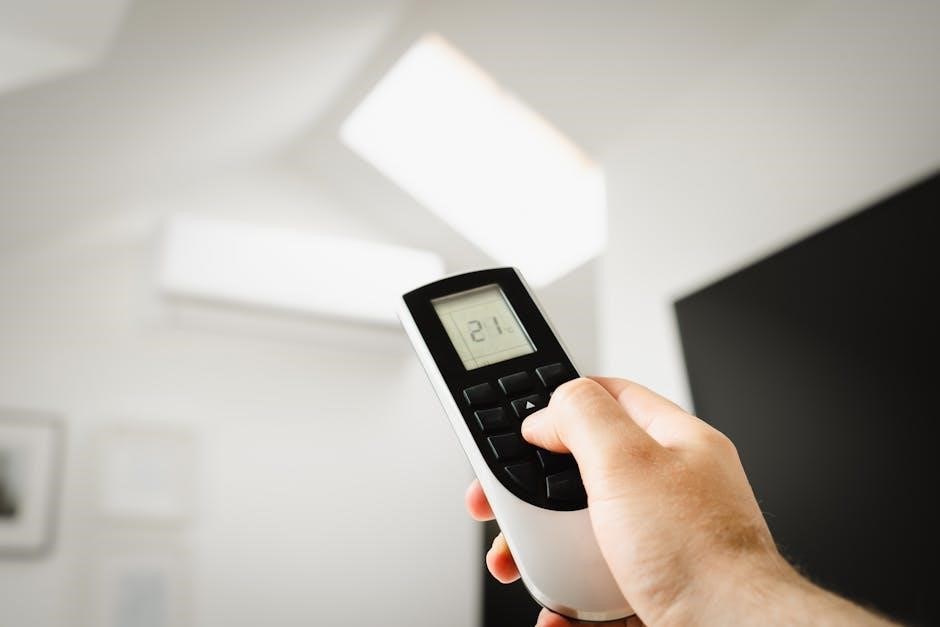
Mode indicators – icons representing Cool, Fan, Dry, and Auto – illuminate to signify the active operating mode․ These icons offer a quick visual confirmation of the unit’s function, similar to the app icons within the PortableApps․com Platform․
Fan speed indicators (Low, Medium, High) light up to show the selected airflow intensity․ A blinking indicator might signal a fault or error condition, requiring attention․
The ‘Filter’ indicator illuminates when the air filter requires cleaning․ Regular filter maintenance is vital for optimal performance and air quality․
A ‘Water Tank Full’ indicator alerts you when the water tank is full and needs emptying, preventing water overflow․ Continuous drain setup bypasses this indicator․

Error codes, displayed as alphanumeric sequences, indicate specific malfunctions․ Refer to the troubleshooting section of this manual for code definitions and solutions․

Maintenance and Cleaning
Regular maintenance ensures optimal performance and extends the lifespan of your portable air conditioner․ Disconnect the unit from the power source before any cleaning or maintenance procedures, prioritizing electrical safety․
Filter Cleaning: The air filter should be cleaned every two weeks under normal usage․ Remove the filter, vacuum loose dust, and then gently wash with mild soap and water․ Ensure the filter is completely dry before reinstalling․ A clogged filter reduces efficiency and can cause overheating․
Water Tank Management: Empty the water tank when the ‘Water Tank Full’ indicator illuminates․ Rinse the tank with clean water to prevent algae or mold growth․ For continuous drainage, connect a suitable hose to the drain outlet, directing water to a safe location․
Exterior Cleaning: Wipe the exterior surfaces with a damp cloth․ Avoid using harsh chemicals or abrasive cleaners, as they can damage the finish․ Like keeping your PortableApps․com Platform tidy, a clean unit operates better․
Coil Cleaning: Periodically, the condenser coils may require cleaning․ Consult a qualified technician for this procedure, as it involves accessing internal components․
Filter Cleaning Procedures
Maintaining a clean air filter is crucial for efficient operation and air quality․ Begin by powering off and unplugging the unit․ Locate the filter access panel, typically on the rear or side of the air conditioner․ Gently remove the air filter – avoid forcing it․
Initial Dust Removal: Use a vacuum cleaner with a brush attachment to remove loose dust and debris from the filter surface․ This prevents clogging during the washing stage․
Washing the Filter: Fill a sink or tub with lukewarm water and a mild detergent․ Submerge the filter and gently agitate to remove embedded dirt․ Avoid harsh chemicals or abrasive cleaners, which can damage the filter material․
Rinsing and Drying: Thoroughly rinse the filter under clean running water until all soap residue is removed․ Gently shake off excess water․ Allow the filter to air dry completely before reinstalling – never operate the unit with a damp filter․ A dry filter, like a well-maintained PortableApps․com setup, ensures optimal function․
Reinstallation: Once dry, carefully reinsert the filter into its designated slot, ensuring it’s properly seated․

Drain Water Tank/Continuous Drain Setup
Your portable air conditioner collects condensation during cooling and dehumidifying modes․ This water accumulates in an internal tank, requiring periodic emptying․ The unit will display a warning indicator when the tank is full, and operation will cease to prevent overflow․
Tank Removal & Emptying: Carefully remove the water tank, located typically at the rear or base of the unit․ Ensure the unit is positioned over a drain to avoid spills․ Empty the tank completely and rinse it with clean water to prevent algae growth․ Reinsert the tank securely until it clicks into place․
Continuous Drain Option: For uninterrupted operation, consider utilizing the continuous drain feature․ Locate the drain plug on the unit (refer to diagrams in the manual)․ Attach a suitable hose to the plug and direct it to a floor drain or suitable receptacle․
Important Considerations: Ensure the hose is positioned lower than the unit’s drain outlet to facilitate gravity drainage․ Regularly check the hose for kinks or blockages․ Like maintaining a clean PortableApps․com platform, consistent draining ensures optimal performance․ Failure to drain can lead to reduced efficiency and potential damage․
Troubleshooting Common Issues
If your new portable air conditioner isn’t cooling effectively, first check the air filter – a clogged filter restricts airflow․ Ensure the exhaust hose is correctly connected and free from kinks, as proper ventilation is crucial․ Verify the water tank isn’t full, halting operation as a safety measure․

Unit Not Powering On: Confirm the power cord is securely plugged into a functioning outlet․ Check the circuit breaker hasn’t tripped․ If the issue persists, consult a qualified technician․
Error Codes: Refer to the error code section in this manual for specific troubleshooting steps․ These codes indicate particular malfunctions, guiding you towards a solution․ Like diagnosing issues within the PortableApps․com Platform, understanding error messages is key․
Unusual Noises: Minor vibrations are normal, but loud or persistent noises warrant investigation․ Ensure the unit is on a level surface․ If the noise continues, contact customer support․ Remember, regular maintenance, like cleaning the filter, prevents many common problems․ Don’t attempt repairs yourself; always prioritize safety․
Warranty Information and Support
Your new portable air conditioner is covered by a [Number]-year limited warranty against defects in materials and workmanship, starting from the date of purchase․ This warranty doesn’t cover damage resulting from misuse, accidents, or unauthorized repairs․ Proof of purchase is required for all warranty claims․

To initiate a warranty claim, please contact our customer support team via phone at [Phone Number] or email at [Email Address]․ Have your model number and serial number readily available․ Detailed warranty terms and conditions are outlined in the separate warranty document included with your unit․
For additional support, visit our website at [Website Address] for FAQs, troubleshooting guides, and downloadable resources․ Similar to the PortableApps․com Platform’s open-source nature and community support, we strive to provide comprehensive assistance․ Our online resources are updated regularly․
Customer satisfaction is our priority․ We are committed to resolving any issues promptly and efficiently․ Please don’t hesitate to reach out if you require assistance beyond what’s covered in this manual․ We value your business and appreciate your trust in our products․