US guided hip injection is a minimally invasive procedure using ultrasound to guide injections.
It helps diagnose and treat hip joint issues‚ providing accurate and effective results always.

Definition and Purpose
The definition of US guided hip injection is a medical procedure that uses ultrasound technology to guide the injection of medication into the hip joint. The purpose of this procedure is to provide accurate and effective treatment for various hip joint conditions‚ such as arthritis‚ tendinitis‚ and bursitis. This procedure can help diagnose and treat hip joint issues‚ providing pain relief and improving mobility. The use of ultrasound guidance allows for real-time visualization of the injection process‚ ensuring that the medication is delivered precisely to the affected area. This minimally invasive procedure is often used to treat hip pain and inflammation‚ and can be used in conjunction with other treatments‚ such as physical therapy and medication. Overall‚ the purpose of US guided hip injection is to provide a safe and effective treatment option for patients with hip joint conditions‚ helping to improve their quality of life and reduce pain and discomfort.
By using ultrasound guidance‚ healthcare providers can ensure that the medication is delivered accurately and safely‚ reducing the risk of complications and improving treatment outcomes. This procedure is often performed in an outpatient setting‚ and can be completed in a relatively short amount of time‚ typically 15-30 minutes. The use of ultrasound guidance also allows for real-time monitoring of the injection process‚ enabling healthcare providers to make adjustments as needed to ensure optimal treatment results.
In addition to its use in treating hip joint conditions‚ US guided hip injection can also be used to treat other conditions‚ such as trochanteric bursitis and piriformis syndrome. The procedure is typically performed by a trained healthcare provider‚ such as an orthopedic surgeon or a rheumatologist‚ who has experience in performing US guided injections. Overall‚ US guided hip injection is a valuable treatment option for patients with hip joint conditions‚ providing a safe and effective way to manage pain and improve mobility.
The use of ultrasound guidance in hip injection procedures has become increasingly popular in recent years‚ due to its ability to provide real-time visualization of the injection process. This allows healthcare providers to ensure that the medication is delivered precisely to the affected area‚ reducing the risk of complications and improving treatment outcomes. Additionally‚ the use of ultrasound guidance can help to reduce the amount of medication needed‚ as it allows for more accurate delivery of the medication to the affected area.
Importance of US Guidance
The use of ultrasound (US) guidance in hip injection procedures is crucial for ensuring accurate and safe delivery of medication. US guidance allows for real-time visualization of the injection process‚ enabling healthcare providers to precisely target the affected area. This reduces the risk of complications‚ such as nerve damage or infection‚ and improves treatment outcomes. Ultrasound guidance also enables healthcare providers to avoid injecting medication into surrounding tissues or structures‚ which can help to minimize side effects and improve patient comfort. Additionally‚ US guidance can help to reduce the amount of medication needed‚ as it allows for more accurate delivery of the medication to the affected area. Overall‚ the use of US guidance in hip injection procedures is essential for ensuring safe and effective treatment. By using ultrasound guidance‚ healthcare providers can confidently deliver medication to the affected area‚ reducing the risk of complications and improving patient outcomes. Real-time visualization and precise targeting of the affected area are just a few benefits of using US guidance in hip injection procedures.
Furthermore‚ US guidance can help to improve patient outcomes by reducing the risk of adverse events and improving the efficacy of treatment. The use of ultrasound guidance can also help to reduce the need for repeat injections‚ as it allows for more accurate delivery of the medication to the affected area. Overall‚ the importance of US guidance in hip injection procedures cannot be overstated‚ as it plays a critical role in ensuring safe and effective treatment. By using ultrasound guidance‚ healthcare providers can confidently deliver medication to the affected area‚ reducing the risk of complications and improving patient outcomes. Ultrasound guidance is a valuable tool in the treatment of hip joint conditions‚ and its use is essential for ensuring safe and effective treatment.

Indications for US Guided Hip Injection
US guided hip injection is used to treat hip pain and inflammation‚ providing effective relief for patients with hip joint conditions‚ always using ultrasound guidance for accurate results.

Diagnostic Indications
US guided hip injection has diagnostic indications‚ including identifying the source of hip pain and inflammation‚ and confirming the presence of labral tears or ligament sprains. This procedure helps diagnose conditions such as hip osteoarthritis‚ trochanteric bursitis‚ and piriformis syndrome‚ allowing for accurate and effective treatment plans to be developed‚ always using ultrasound guidance for precise injections‚ and minimizing the risk of complications or side effects‚ ensuring the best possible outcomes for patients with hip joint conditions‚ and providing valuable information for treatment and management of hip pain and inflammation‚ with the goal of improving patient outcomes and quality of life‚ by using ultrasound guidance to deliver medications directly to the affected area‚ reducing systemic side effects and improving the efficacy of treatment‚ and enabling patients to return to their normal activities and lifestyle more quickly and with less discomfort‚ which is important for patients with hip joint conditions‚ and ultrasound guidance is essential for accurate and effective injections‚ and minimizing the risk of complications or side effects‚ ensuring the best possible outcomes for patients with hip joint conditions.

Therapeutic Indications
US guided hip injection has therapeutic indications‚ including treatment of hip osteoarthritis‚ trochanteric bursitis‚ and piriformis syndrome. This procedure helps reduce inflammation and relieve pain in the hip joint‚ improving mobility and function‚ and enabling patients to return to their normal activities and lifestyle more quickly and with less discomfort. The use of ultrasound guidance allows for precise injections‚ minimizing the risk of complications or side effects‚ and ensuring the best possible outcomes for patients with hip joint conditions‚ including reduction of pain and inflammation‚ and improvement of joint function and mobility‚ which is essential for patients with hip joint conditions‚ and ultrasound guidance is crucial for accurate and effective injections‚ and minimizing the risk of complications or side effects‚ ensuring the best possible outcomes for patients with hip joint conditions‚ and enabling them to regain their quality of life and independence‚ which is important for patients with hip joint conditions‚ and ultrasound guidance is essential for therapeutic treatments‚ and minimizing the risk of complications or side effects‚ ensuring the best possible outcomes for patients with hip joint conditions.

Contraindications for US Guided Hip Injection
US guided hip injection has specific contraindications‚ including active infection or bleeding disorders‚ allergies to injectable materials‚ and pregnancy or breastfeeding‚ which must be considered before the procedure to ensure safety and effectiveness always.
Relative Contraindications
Relative contraindications for US guided hip injection include anticoagulant therapy‚ severe hip deformity‚ or presence of hip prostheses. These conditions may increase the risk of complications or affect the accuracy of the procedure. Patients with these conditions should be closely evaluated and monitored to determine the safety and effectiveness of the injection. The decision to proceed with the procedure should be made on a case-by-case basis‚ taking into account the individual patient’s needs and medical history. Additionally‚ alternative treatments may be considered for patients with relative contraindications. The potential benefits and risks of the procedure should be carefully weighed and discussed with the patient to ensure informed decision-making. By considering these factors‚ healthcare providers can optimize patient outcomes and minimize potential complications associated with US guided hip injection.
Absolute Contraindications
Absolute contraindications for US guided hip injection include active infection or sepsis‚ allergic reactions to the injected medication‚ and presence of a hip joint prosthesis with loosening or infection. These conditions pose a significant risk to the patient’s safety and well-being‚ and the procedure should not be performed. Additionally‚ pregnancy and breastfeeding are also considered absolute contraindications due to the potential risks to the fetus or baby. Patients with these conditions should be evaluated and treated with alternative methods to ensure their safety and optimal outcomes. The contraindications should be carefully assessed and considered before proceeding with the US guided hip injection procedure to avoid potential complications and ensure patient safety. By identifying and respecting these absolute contraindications‚ healthcare providers can protect patients from harm and provide effective care. The importance of careful patient evaluation and selection cannot be overemphasized in the context of US guided hip injection.

Preparation for US Guided Hip Injection
Preparation involves reviewing patient medical history and current medications‚ as well as explaining the procedure and obtaining informed consent to ensure a smooth and successful procedure always.

Patient Preparation
Patient preparation for US guided hip injection involves stopping certain medications‚ such as blood thinners‚ and avoiding food and drink for a specified period. Patients should wear comfortable clothing and remove any metal objects to ensure a smooth procedure.
- Patient education
- Medical history review
- Current medication assessment
are also crucial steps in patient preparation‚ reducing the risk of complications and ensuring the best possible outcomes‚ with clear instructions and guidance provided to patients‚ addressing any concerns or questions they may have‚ and preparing them for the procedure‚ physically and emotionally‚ with a focus on comfort and safety‚ and minimizing the risk of adverse reactions‚ and ensuring a successful procedure‚ with follow-up care and support provided to patients after the procedure‚ to monitor their progress and address any concerns or complications that may arise‚ and provide patients with clear instructions on how to care for themselves after the procedure‚ and what to expect during the recovery period‚ with a focus on patient-centered care and excellent outcomes‚ and continuous improvement in the quality of care provided to patients‚ with emphasis on patient safety and well-being‚ and respect for patients’ rights and dignity‚ and commitment to providing the best possible care and support to patients‚ with a team of experienced and skilled healthcare professionals‚ and state-of-the-art equipment and facilities‚ and continuous education and training for healthcare professionals‚ to ensure that patients receive the best possible care and support‚ and achieve the best possible outcomes‚ with a focus on excellent care and continuous improvement‚ and commitment to providing high-quality care and support to patients‚ and respect for patients’ rights and dignity‚ and emphasis on patient-centered care and excellent outcomes‚ always.
Equipment and Materials
The equipment and materials needed for US guided hip injection include ultrasound machines‚ needles‚ syringes‚ and injectable medications.
- Ultrasound machine with linear or curvilinear probe
- Sterile needles and syringes
- Injectable medications‚ such as corticosteroids or anesthetics
- Antiseptic solutions and sterile gloves
are essential for a successful procedure‚ ensuring accuracy and safety‚ with high-quality equipment and materials recommended for optimal results‚ and regular maintenance and calibration of equipment‚ and proper storage and handling of materials‚ to prevent damage or contamination‚ and ensure compliance with regulatory standards‚ and adherence to best practices‚ with a focus on patient safety and well-being‚ always‚ and continuous improvement in the quality of care provided‚ with emphasis on excellent outcomes‚ and commitment to providing high-quality care‚ and respect for patients’ rights and dignity‚ with equipment and materials selected based on clinical needs and patient preferences‚ and regular review and update of equipment and materials to ensure compliance with latest guidelines and recommendations‚ and continuous education and training for healthcare professionals‚ to ensure competence and confidence in the use of equipment and materials‚ and optimal outcomes for patients‚ always.
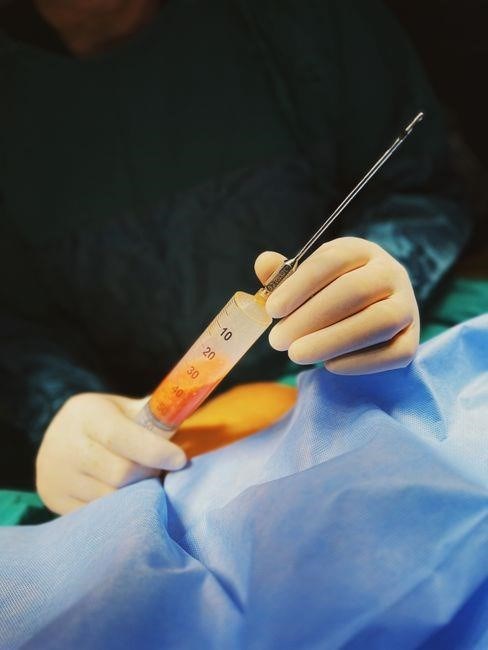
Technique for US Guided Hip Injection
The technique involves using ultrasound to guide the needle into the hip joint‚ with real-time imaging‚ ensuring accuracy and safety‚ always‚ with a focus on patient comfort and well-being.
Step-by-Step Procedure
The step-by-step procedure for US guided hip injection involves preparing the patient and the equipment‚ positioning the patient to access the hip joint‚ sterilizing the area‚ and inserting the needle under ultrasound guidance. The injection is then administered‚ and the patient is monitored for any adverse reactions. The entire procedure is typically performed in a clinically controlled environment‚ with a focus on patient safety and comfort‚ using real-time ultrasound imaging to guide the injection‚ ensuring accuracy and efficacy‚ always‚ with a team of medical professionals present to assist and support the patient throughout the procedure‚ providing clear instructions and guidance to ensure a successful outcome‚ and follow-up care to monitor the patient’s progress and address any concerns or questions they may have‚ with a focus on providing the best possible care and support for the patient‚ always‚ with a commitment to excellence and quality in all aspects of care‚ using state-of-the-art equipment and techniques to ensure the best possible outcomes for the patient‚ with a team of dedicated and experienced medical professionals‚ always‚ with a focus on patient-centered care and excellence in all aspects of care‚ providing clear and concise information to the patient and their family‚ always‚ with a commitment to transparency and open communication‚ using real-time ultrasound imaging to guide the injection‚ ensuring accuracy and efficacy‚ always‚ with a focus on patient safety and comfort‚ and follow-up care to monitor the patient’s progress and address any concerns or questions they may have‚ always.
Common Challenges and Solutions
Common challenges in US guided hip injection include difficulty in visualizing the injection site‚ patient anxiety or movement‚ and technical issues with the ultrasound equipment. Solutions to these challenges include using high-quality ultrasound equipment‚ providing clear instructions and reassurance to the patient‚ and having a experienced and skilled operator performing the procedure. Additionally‚ using real-time ultrasound imaging can help to overcome technical challenges and ensure accurate and effective injection‚ always‚ with a focus on patient safety and comfort‚ and continuous monitoring of the patient during and after the procedure to address any concerns or complications that may arise‚ using state-of-the-art equipment and techniques to ensure the best possible outcomes for the patient‚ with a team of dedicated and experienced medical professionals‚ always‚ with a commitment to excellence and quality in all aspects of care‚ providing clear and concise information to the patient and their family‚ always‚ with a focus on patient-centered care and excellence in all aspects of care‚ and follow-up care to monitor the patient’s progress and address any concerns or questions they may have‚ always‚ with a commitment to transparency and open communication;