Understanding Wrist Size for Men
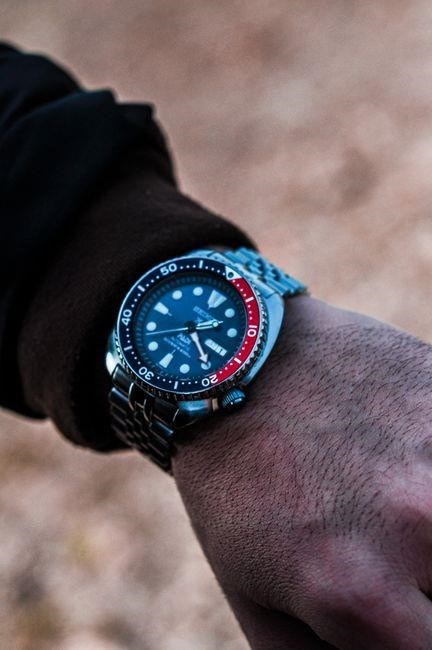
Men’s wrist sizes vary, but a 7‑inch (17.8 cm) wrist is common. Wrist circumference typically falls between 6.5–7.5 inches (16.5–19 cm). Choosing a 38–42 mm case fits most 7‑inch wrists, balancing presence and comfort. Smaller wrists (≤6.5″) suit 34–36 mm, larger (≥7.5″) favor 44–48 mm. Perfect fit.now.
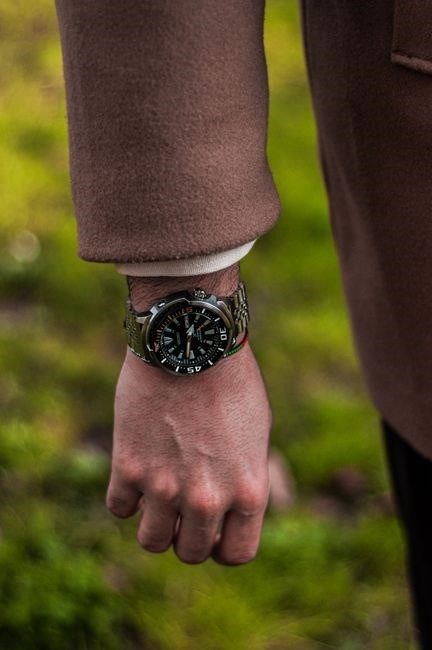
Typical wrist circumference ranges
Men’s wrist circumference is the first metric that informs a watch’s visual and physical harmony. The most frequently cited range sits between 6.5 inches (16.5 cm) and 7.5 inches (19 cm). Those measuring 6.5 inches or 16.5 cm often feel most at ease with 34–36 mm cases, while wrists at 7.5 inches or 19 cm tend to pair best with 44–48 mm cases. The median, around 7 inches (17.8 cm), is where 38–42 mm watches naturally balance presence and comfort. To capture an accurate figure, wrap a flexible measuring tape or a strip of paper around the wrist at its widest point—just below the knuckles—ensuring the tape is snug but not restrictive. Record the measurement in both inches and centimeters; this dual notation aids comparison across international product listings. Keep in mind that wrist size can vary with age, activity level, and even seasonal changes; a slight shift of a quarter inch can influence how a watch sits. By establishing a reliable baseline, you can avoid the common pitfalls of watches that feel either too bulky or too slender, thereby achieving a harmonious fit that supports both style and comfort throughout the day.
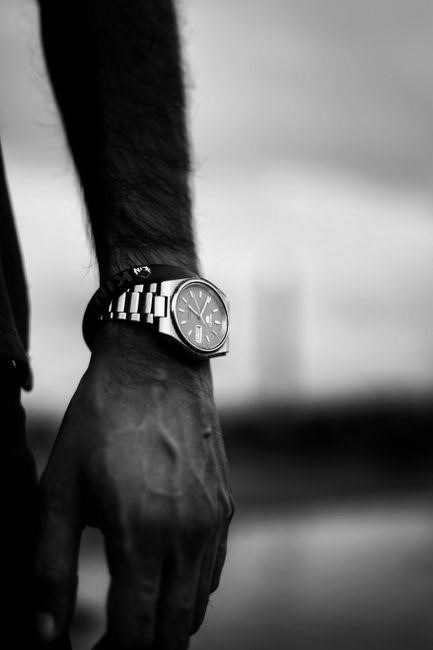
Considerations include how wrist circumference affects the perceived size of the watch face. A small wrist on a large case can look disproportionate, while a large wrist on a small case may feel cramped. Always compare your measured circumference to the listed case diameter, try on the watch if possible, or use a virtual fitting tool before buying. today
How wrist size correlates to watch case diameter
When matching a watch to a wrist, the case diameter should reflect the wrist circumference to maintain visual balance. A rule of thumb is that a 38–42 mm case fits a 6.5–7.5‑inch wrist; a 34–36 mm case suits wrists under 6.5 inches, while 44–48 mm cases pair with wrists over 7.5 inches. The logic behind this guideline is that the watch face should occupy roughly 60–70 % of the wrist’s width. If the case is too large, the watch will appear oversized and may feel heavy; if too small, it will look cramped and may slip. To apply the rule, measure the wrist at its widest point, then compare the value to the case diameter. For example, a 7‑inch wrist (17.8 cm) comfortably hosts a 40 mm case, whereas a 6‑inch wrist (15.2 cm) is better matched with a 36 mm case. Adjustments can be made for personal preference: a sportier look may favor a slightly larger case, while a formal setting might call for a slimmer profile. Always test the watch on the wrist or use a virtual fitting app to confirm the visual harmony before purchase. This approach ensures the watch feels proportionate, secure, and aesthetically pleasing in everyday wear. This balanced approach helps avoid the common pitfalls of oversized or undersized watches.
In addition, consider the watch’s bezel and crown placement. A larger bezel can accentuate a larger case, while a recessed crown can reduce bulk. The strap or bracelet also plays a role; a thicker band can compensate for a slightly smaller case on a larger wrist, and vice versa. By following these guidelines and adjusting for individual style, you can confidently select a case diameter that feels both comfortable and stylish.

- Measure wrist circumference accurately.
- Apply the 60–70% rule for case diameter.
- Test fit or use virtual tools.
Remember, the best fit is one that feels natural and supports your daily activities.
Measuring Your Watch Case
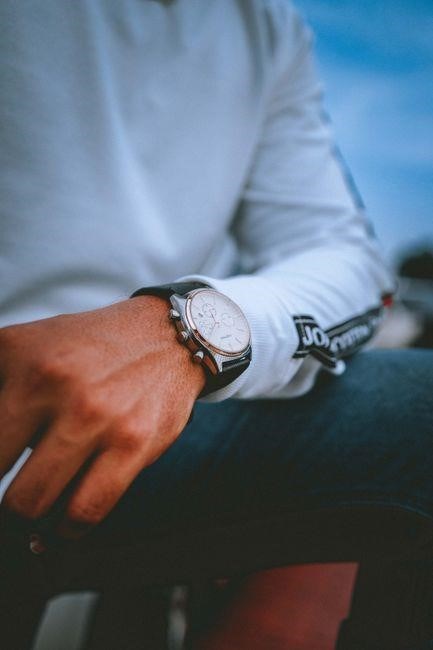
Use a digital caliper with plastic jaws. Measure the case diameter from 8 to 2 o’clock, ignoring the crown. Record the thickness; most watches sit between 8mm and 14mm. These numbers guide fit and comfort. Also note the case height; a taller case may feel bulkier. Fast
Case diameter measurement technique
Use a digital caliper or a ruler to measure the case diameter from the 8‑o’clock to 2‑o’clock positions, ignoring the crown. Measure the thickness at the same points. Record the values in millimeters. Repeating the measurement twice ensures accuracy. Note any asymmetry from beveled or oval designs. Store the data for comparison with your wrist circumference to guarantee a proper fit. case is oval, measure side and the width, approximate the perceived diameter quick.
For non‑circular cases, such as ovals or squares, a simple template can help. Trace the outline of the case on a piece of paper, then use a ruler to measure the longest and shortest diameters. Averaging these two values gives an approximate circular diameter that can be compared to wrist size. This method is especially useful for vintage or artisanal watches where the case shape may not conform to standard dimensions. When case has a bezel or a recessed, a caliper to capture the points, then average measurements to the true diameter.
After measuring, compare the case diameter to your wrist circumference. A general rule suggests that the case diameter should be roughly 1.5 to 2 mm smaller than the wrist size for a comfortable fit. If the case is significantly larger, consider a slimmer bracelet or a smaller lug width. Conversely, a smaller case may feel too tight; a larger strap or a thicker band can compensate. Always try on the watch with the intended strap to ensure the movement feels natural and the watch sits evenly on the wrist.
Finally, test the watch on your wrist before buying. A fit balances style comfort!!.
Case thickness and its impact on comfort
Case thickness, measured from the back of the watch to the front of the crystal, directly influences how a timepiece feels against the skin. A thin case (under 8 mm) offers a sleek, almost invisible presence, ideal for formal attire or for those who prefer a subtle accessory. However, ultra‑thin designs can feel fragile and may not withstand daily wear, especially if the wearer engages in physical activity. Medium thickness (8–12 mm) balances robustness and comfort; it provides enough structural integrity for a durable watch while remaining lightweight enough for everyday use. Thick cases (over 12 mm) deliver a commanding presence and often house larger movements or additional complications, but they can feel bulky, especially on smaller wrists. The perceived weight also depends on the material: stainless steel and titanium are lighter than brass or gold, so a 12 mm titanium case may feel comparable to a 10 mm steel case. When selecting a watch, consider the intended use: a watch for the office may favor a thinner, lighter case, whereas a watch for outdoor or sports activities may benefit from a thicker, more robust case that can resist shocks and water pressure. Finally, testing the watch on the wrist before purchase remains the best way to gauge true comfort. A well‑designed case balances style and comfort, making the watch feel like anown extension.
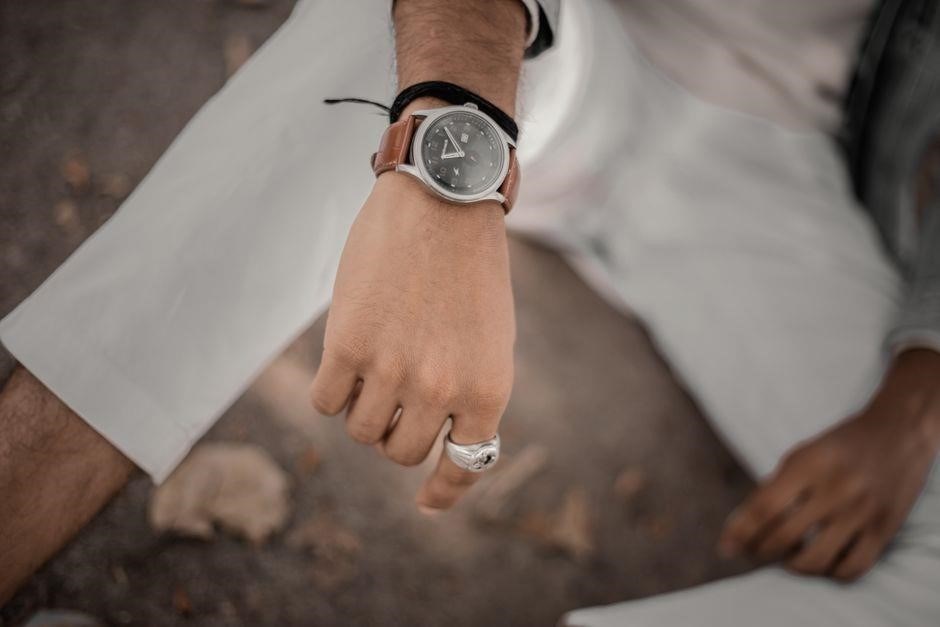
Selecting the Right Watch Size
Match wrist size to case diameter: a 7‑inch wrist (≈17.8 cm) fits 38–42 mm watches. Smaller wrists (≤6.5″) suit 34–36 mm, larger wrists (≥7.5″) favor 44–48 mm. Balance presence and comfort for a natural, confident look. Choose wisely for lasting comfort. Enjoy!!!
Ideal watch diameter for various wrist sizes
Choosing the right diameter is not only about numbers; it also involves how the watch interacts with your daily routine. A slimmer 36–38 mm case may feel more agile for athletes or those who prefer a minimalist aesthetic, whereas a larger 44–48 mm case can serve as a statement piece for formal occasions. The thickness of the case, typically between 8–12 mm, should complement the chosen diameter to avoid a bulky feel. Additionally, the curvature of the case and the presence of a crown or pushers can influence how the watch sits on the wrist. A well‑designed case will distribute weight evenly, ensuring comfort during long wear. A well‑balanced case not only looks good but also feels light, making it suitable for work daily.
- Small wrists (≤6.5″ / 16.5 cm) – 34–36 mm cases provide a subtle, refined look without overpowering the wrist.
- Average wrists (6.6–7.4″ / 18.8 cm) – 38–42 mm cases strike the optimal middle ground, offering presence while maintaining comfort.
- Large wrists (≥7.5″ / 19 cm) – 44–48 mm cases showcase a bold statement, yet should be paired with a moderate case thickness (8–12 mm) to avoid bulk.
Adjusting for personal style and activity
When tailoring a watch to fit both aesthetics and lifestyle, consider the following factors: Activity level – For high‑impact sports, a lightweight case (≤10 mm thick) and a rubber or silicone strap reduce friction and improve durability. Professional setting – A classic metal bracelet with a 38–42 mm case offers understated elegance; matte finishes soften glare in bright office environments. Casual wear – A versatile 36–38 mm case paired with a fabric or leather strap blends comfort with style, allowing easy transitions between work and leisure. Personal taste – If you favor vintage vibes, a slightly larger 44 mm case with a polished bezel can serve as a conversation starter, while a minimalist 34 mm case appeals to those who prefer subtlety. Adjustability – Ensure the strap or bracelet has sufficient links or a secure clasp to accommodate slight changes in wrist size due to swelling or weight fluctuations. By aligning case size, material, and strap choice with your daily routine, you can achieve a watch that feels as good as it looks. Ultimately, the best watch size is one that feels natural and complements your routine. Test multiple options, pay attention to how the watch sits during activities, adjust the strap for precise fit. Remember, a watch enhances confidence and style. !?
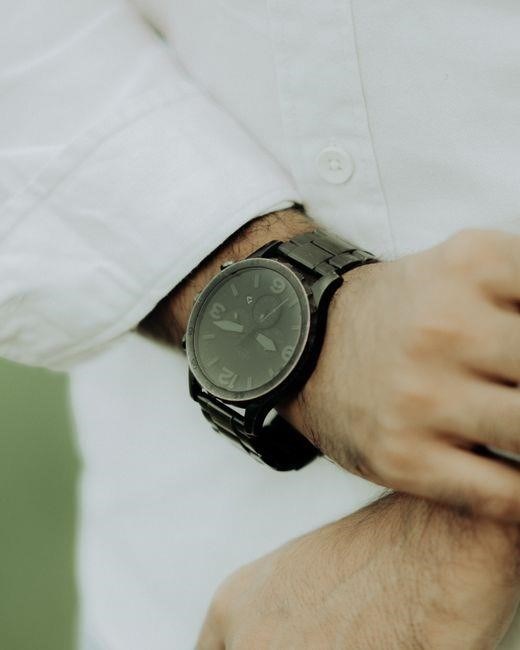
Features Affecting Fit
Crowns, pushers, and bezels add bulk; a protruding crown can press against the wrist, while a large bezel may feel heavy. A metal link bracelet distributes weight evenly, especially during movement. A slimmer bezel or adjustable strap can cut bulk, easing wrist pressure.
Crowns, pushers, and bezels
When evaluating a watch for a male wrist, the crown, pushers, and bezel are critical to fit. The crown, a protrusion on the side, can press against the wrist if it is too large or the case is thick. A recessed or “in‑case” crown reduces that pressure, especially for those with a wrist. Pushers, the buttons that allow date or chronograph functions, add bulk at the back. If they are heavy or positioned too far from the center, they can create a “punch” sensation during movement. A slim, recessed pusher design is preferable for a comfortable feel. The bezel, the rim around the face, also influences bulk. A wide bezel can add weight and may feel bulky on a smaller wrist. Conversely, a thin bezel keeps the watch looking sleek very light. For a balanced look, a bezel width of 1–2 mm is often ideal for most men. When the bezel is too thick, it can also interfere with the strap or bracelet fit, causing gaps or uneven pressure. Some manufacturers offer interchangeable bezels or adjustable case backs, allowing you to customize the thickness. In addition, the material of the bezel—steel, titanium, or ceramic—affects weight. Titanium bezels are lighter, while steel adds heft. Choosing a material that matches your wrist size and activity level is key. For active wear, a lighter bezel reduces fatigue. For formal occasions, a heavier bezel may add a sense of prestige. Ultimately, a watch that balances crown depth, pusher thickness, and bezel width will sit comfortably on a male wrist, ensuring both style and practicality.
Strap and bracelet styles and their influence
Strap and bracelet styles profoundly affect how a watch feels on a male wrist. Leather straps, especially calf‑skin, offer a classic look but can stretch over time, altering fit. They are lightweight and breathable, making them ideal for everyday wear. However, leather may feel less secure during vigorous activity. Metal bracelets, such as stainless steel or titanium, provide durability and a polished aesthetic. Their rigid structure keeps the watch snug, but the weight can cause fatigue on smaller wrists. Oyster‑style bracelets with a single link design distribute pressure evenly, while split‑link bracelets allow easier adjustment. Rubber or silicone straps are excellent for sports; they resist sweat and are easy to clean, yet they can appear casual. Nylon straps, like those on many dive watches, combine strength with a relaxed vibe. The width of the strap or bracelet also matters: a 20‑mm width matches most 38–42 mm cases on a 7‑inch wrist, whereas a 24‑mm width suits larger cases or larger wrists. The choice of clasp—folding, magnetic, or lever—impacts both security and comfort. Magnetic clasps are convenient but may interfere with medical devices. Folding clasps offer a secure fit but can be cumbersome. Lever clasps provide a quick release. Finally, the finish—polished, brushed, or satin—affects both weight and visual appeal. Selecting the right combination of material, width, and clasp ensures that the watch not only looks good but also stays comfortably in place throughout the day. Choosing the right strap or bracelet ultimately balances aesthetics, comfort, and durability, ensuring the watch becomes a seamless extension of your personal style—and now !!

Practical Tips for a Comfortable Wear
Use a digital caliper to measure case diameter accurately. Adjust straps with a buckle or link‑adjuster for a snug fit. Ensure the watch sits 1–2 mm above the wrist bone. Replace worn rubber or leather for breathability. Keep the bezel aligned with your eye level. Check strap tension to avoid slippage now.
Using digital calipers
When measuring a watch case, a digital caliper offers precision and ease. First, select a model with a zero‑adjustment feature to ensure accurate readings. Place the jaws on the outer edge of the case, aligning them with the 8‑to‑2 o’clock positions, and gently close until the jaws touch the surface. The display will show the diameter in millimeters or inches. For thickness, slide the jaws to the top of the case and record the measurement. Always double‑check by repeating the measurement twice; small variations can indicate a misread or a case with an irregular shape. If the case has a bezel or a crown that protrudes, measure the diameter excluding these elements to avoid overestimation. Document your findings in a notebook or a digital note for future reference. This method ensures you compare the watch’s dimensions accurately against wrist size charts, leading to a better fit and comfort. Digital calipers are inexpensive, reusable, and can be used for other watch parts, making them a valuable tool for any enthusiast. By integrating these measurements into your selection process, you can confidently narrow down options that align with both your wrist circumference and personal style. A well‑measured case ensures the watch sits comfortably without slipping or feeling too tight. Remember to consider the watch’s overall silhouette; a bulky case may look impressive but could compromise comfort. test the watch on your wrist during different activities gauge how the strap or bracelet adapts movement. This approach guarantees a satisfying fit that balances aesthetics and style.
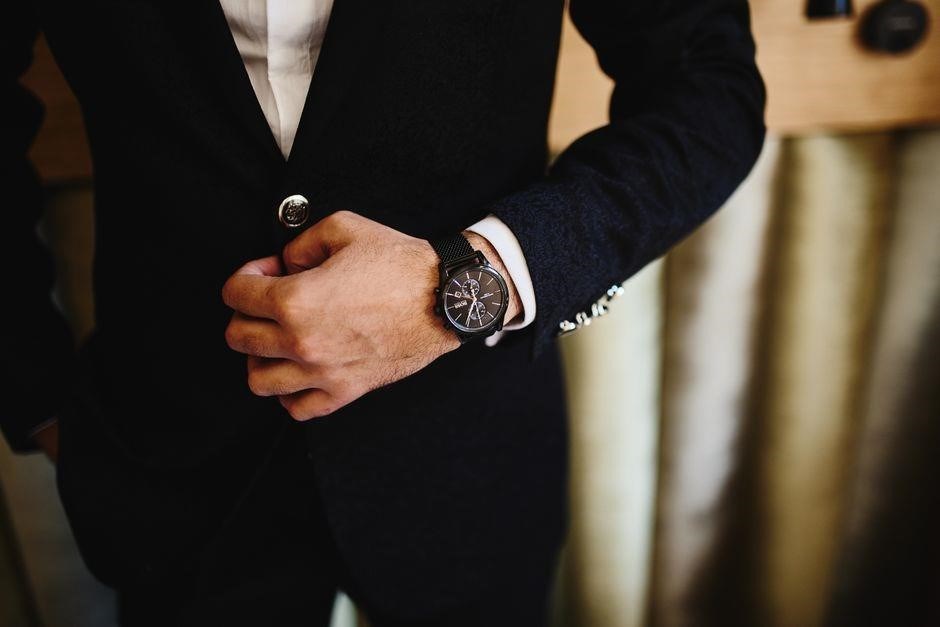
Adjusting straps and bracelets
Proper strap or bracelet adjustment is essential for a watch that feels secure without cutting off circulation. Start by loosening the clasp or bracelet links until the watch sits comfortably on the wrist. For leather straps, use a small screwdriver to slide the buckle’s spring or adjust the tension by moving the strap’s end. Metal bracelets often have removable links; add or remove links to match wrist circumference. When using a bracelet, ensure the clasp aligns with the wrist’s natural bend; a misaligned clasp can cause discomfort or uneven pressure. For rubber or nylon straps, check for stretch; replace if the material has lost elasticity. If the watch has a detachable strap, consider a quick‑release system for easy changes. Always test the watch in motion, such as walking or lifting, to confirm the strap remains snug. Over‑tightening can cause bruising, while a loose fit may lead to accidental drops. A balanced fit improves both comfort and the watch’s aesthetic presence on the wrist.
When working with a metal bracelet, locate the small pins that connect each link. Using a pin pusher or a flat‑head screwdriver, gently tap the pin out of its socket, then slide the link back in or remove it entirely. Remember that each link typically measures about 5 mm in length, so removing two links shortens the bracelet by roughly 10 mm. For leather straps, the buckle’s tension can be altered by sliding the strap’s end through the buckle’s eyelets; this changes the strap’s overall length without affecting the buckle’s size. If the strap is too long, use a strap extender or replace the strap with one that has a shorter length. For rubber or silicone straps, the material may compress under pressure; ensure the strap’s width matches the watch’s lug width to avoid gaps that can cause the watch to shift. Additionally, consider the strap’s finish: a matte finish reduces glare and enhances comfort, while a glossy finish may feel slick. When adjusting a bracelet, always keep the watch’s orientation in mind; the watch should sit level on the wrist, not tilted; After adjustment, re‑measure the wrist circumference with a soft tape to confirm the new fit. Finally, remember that the strap’s comfort is not only about length but also about the material’s breathability and weight; a heavier metal bracelet may feel more substantial, while a lighter nylon strap offers a more casual look. By carefully adjusting each component, you ensure a watch that looks great and feels comfortable for everyday wear. Remember, a well‑adjusted strap not only enhances the watch’s visual appeal but also ensures it stays secure during daily activities, from office meetings to outdoor adventures, making every moment a testament to thoughtful craftsmanship.